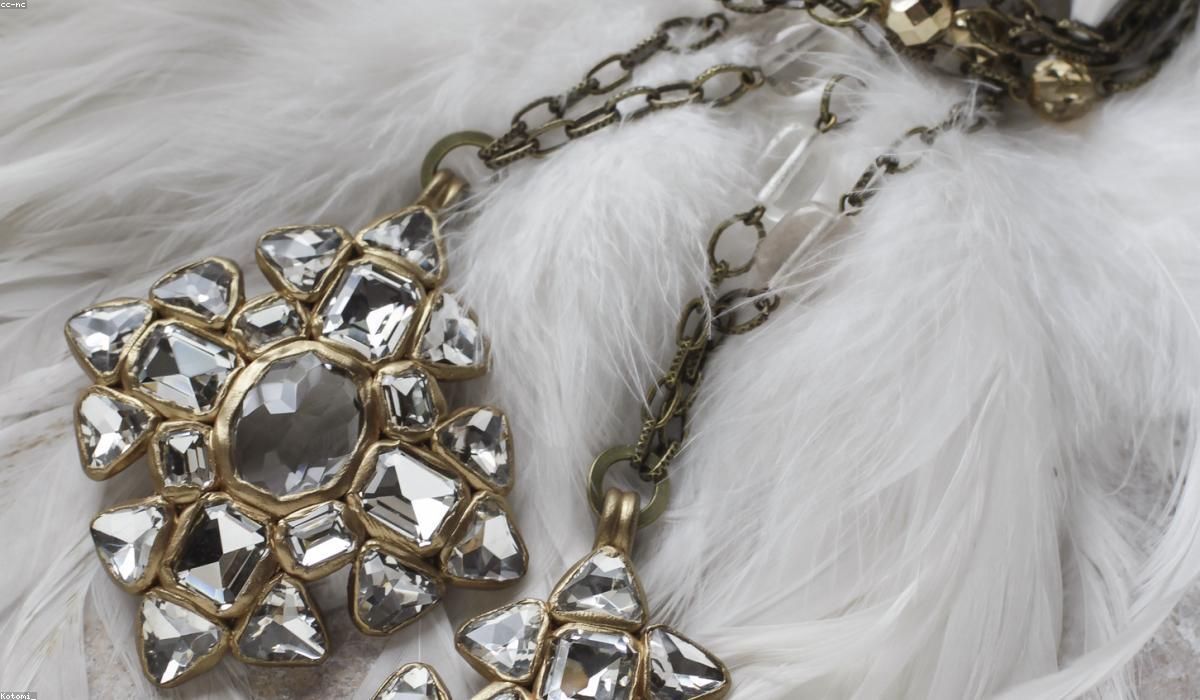
Chow Sang Sang: Heritage Jewellery With a Modern Soul
Since 1934, Chow Sang Sang has turned gold, diamonds and jadeite into pieces meant to be worn, treasured and passed on.


In a media landscape saturated with algorithm-driven content and trend-chasing publications, Cabana Magazine has carved out something rare: a voice that is deliberately slow, visually restrained, and intellectually serious about design. Since its inception, the publication has positioned itself not as a lifestyle cheerleader but as a cultural document for people who understand that how we live in our spaces reflects what we value.
Cabana operates with an editorial restraint that mirrors the modernist principles it so often documents. Each spread feels considered rather than assembled. The photography avoids the hyper-stylized gloss of many competitor magazines, instead favoring natural light, honest materiality, and compositions that let architecture breathe. This approach signals confidence. The magazine trusts its readers to sit with an image rather than sprint past ten more before scrolling on.
The typeface choices, generous white space, and deliberate pacing of long-form features all reinforce the same message: design is not decoration, it is a way of thinking. Cabana covers everything from mid-century modern furniture restoration to contemporary landscape architecture, but the through-line is always the same commitment to craft, provenance, and intentionality. That consistency builds trust with a reader who can spot vacuity from a distance.
What distinguishes Cabana most sharply is the depth of its storytelling. Rather than offering surface-level room tours, the magazine invests in profiles of architects, designers, collectors, and garden makers whose work illustrates broader cultural conversations. Features on artists like Sol LeWitt or discussions about the relationship between Italian rationalism and residential living demonstrate an editorial ambition that goes beyond aesthetic appetizing.
The publication also handles criticism with a maturity rarely seen in the genre. It does not shy away from examining failures, controversial commissions, or the environmental responsibilities of the design world. This willingness to complicate easy narratives is what separates Cabana from magazines that treat design as purely aspirational consumption. It treats design as a discipline with history, ethics, and consequences.
Cabana is not aimed at anyone seeking quick interior inspiration or budget-friendly renovation hacks. Its readers are people who own monographs, visit museums on weekends, and find genuine pleasure in understanding why a particular chair was designed the way it was. The magazine speaks to architects, designers, serious collectors, and curious amateurs who approach their homes as living archives rather than staged backdrops for social media.
If you read this magazine and feel occasionally challenged rather than simply validated, you are exactly the audience it was made for. Cabana assumes intelligence, rewards patience, and refuses to conflate luxury with ostentation. In an era where every brand claims thoughtfulness, Cabana actually practices it. It is a publication worth keeping on your shelf—not because it is trendy, but because it will still feel relevant next decade.
Disclosure: This article may contain affiliate links. We may earn a commission at no extra cost to you. Prices and availability can change at any time.
Since 1934, Chow Sang Sang has turned gold, diamonds and jadeite into pieces meant to be worn, treasured and passed on.

From RGBIC strip lights to ambient floor lamps, Govee makes smart lighting creative, affordable and genuinely fun.

From made-to-measure occasion dresses to everyday streetwear, LightInTheBox turns global trends into accessible wardrobe upgrades.