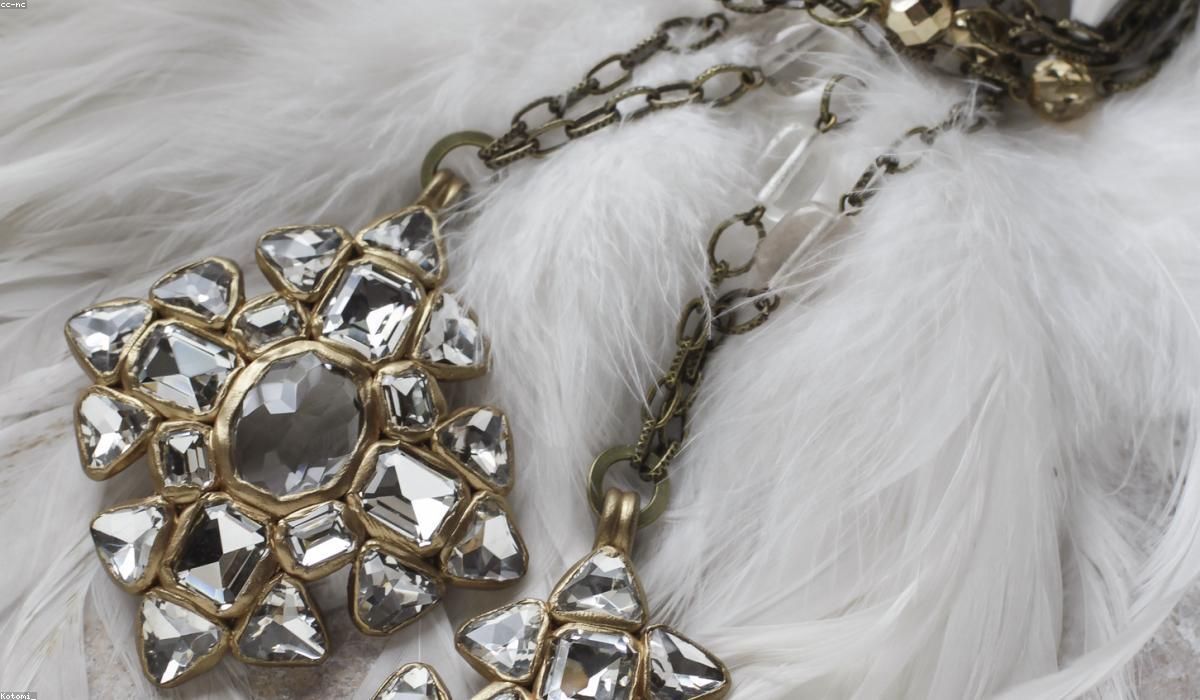
Chow Sang Sang: Heritage Jewellery With a Modern Soul
Since 1934, Chow Sang Sang has turned gold, diamonds and jadeite into pieces meant to be worn, treasured and passed on.

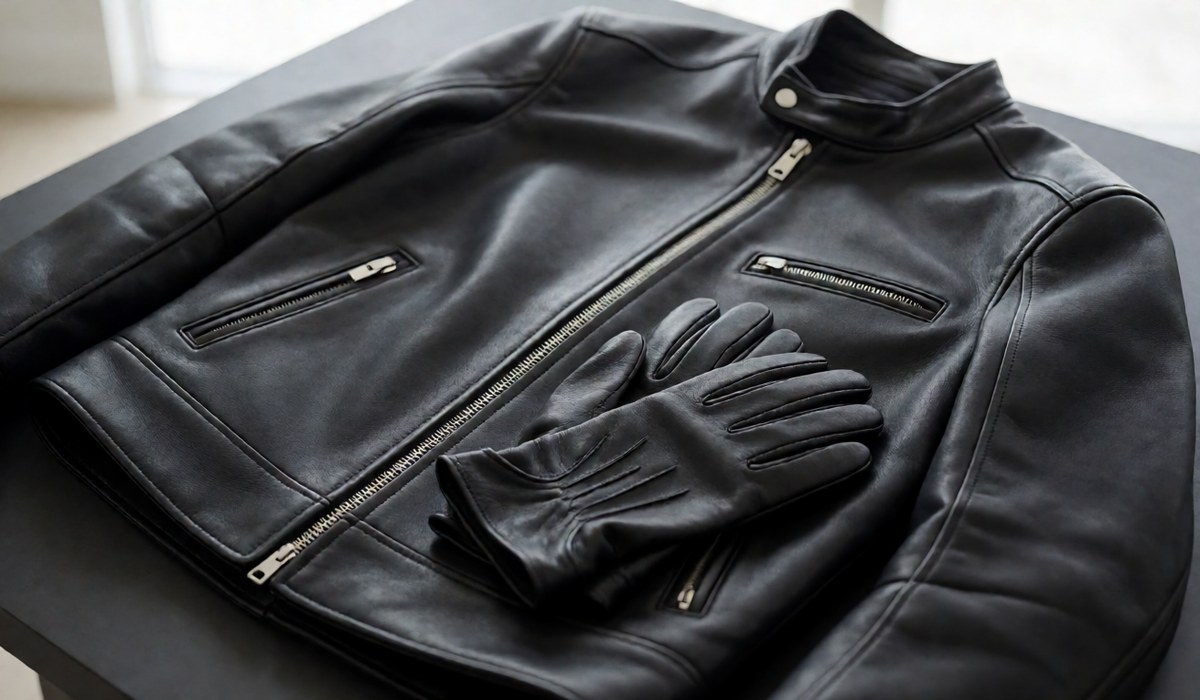
Motorcycle gear has an uncomfortable truth at its centre: the difference between adequate protection and good protection is measured in milliseconds, and you do not find out which you bought until you need it. Dainese has been on the right side of that equation since the 1970s, and the brand's racing pedigree is the reason its name carries weight in a market full of lookalike jackets.
Ignore marketing language and look for the standard. CE-certified armour is rated for impact energy absorption, and garments are classified as PPE with a letter grade reflecting coverage. Dainese's protective lines are certified as PPE, with armour rated to the relevant standard and back protectors available at the higher levels. That certification is the difference between a jacket that looks like motorcycle gear and one that behaves like it.
A premium jacket costs more for reasons you can inspect: leather that has been tested for abrasion rather than simply dyed, armour that is rated rather than foam-shaped, seams positioned to avoid the failure points that matter in a slide, and ventilation designed to actually flow air at speed. Cheap gear typically fails at the seams and at the armour — the two places you cannot see from the outside.
Dainese spans racing suits, touring jackets, urban riding gear, gloves, boots and a substantial women's range cut to a genuinely different pattern rather than a scaled-down men's. For road riders, the practical choice is between leather for abrasion resistance and textile for weather versatility; the brand's touring lines pair textile outer shells with certified armour, which is the sensible compromise for anyone riding in mixed conditions.
Leather gear should be snug when new and will relax with wear — buying it loose is a common and consequential mistake, because armour that can move is armour that can end up in the wrong place. Textile runs closer to normal clothing sizing. Try before buying where possible, and check the size charts carefully if you cannot.
This is where premium gear separates itself over a long ride. Perforated leather and structured textile venting move air through the jacket rather than merely around it, which is the difference between arriving fresh and arriving cooked. Gloves and boots follow the same logic: articulated panels, hard sliders where hands meet tarmac, and soles stiff enough to resist folding.
Price is the obvious one — you can equip yourself for a fraction of the cost with budget brands, and for low-speed urban riding that calculation is defensible. Premium gear also demands maintenance: leather needs conditioning, and a jacket left to dry out will crack. And the racing-derived styling is not subtle; if you want gear that looks casual, other brands do that better.
Riders who cover real distance at real speeds, anyone who has already had one accident and reconsidered their kit, and riders who want certification they can verify rather than a jacket that photographs well. If you ride a scooter at city speeds, cheaper certified gear will do the same job.
Is the armour certified? Protective lines are certified as PPE, with armour rated to the applicable standard — check the individual product specification rather than the category.
Leather or textile? Leather for abrasion resistance and dry weather; textile for weather protection and versatility. Touring riders generally want textile.
How should a jacket fit? Snug but not restrictive, with armour held firmly against the body. It should feel slightly tight when new.
Is premium gear worth it? If you ride regularly at speed, yes — the certification, seam construction and ventilation are measurable differences, not marketing.
Disclosure: This article may contain affiliate links. We may earn a commission at no extra cost to you. Prices and availability can change at any time.
Since 1934, Chow Sang Sang has turned gold, diamonds and jadeite into pieces meant to be worn, treasured and passed on.
From RGBIC strip lights to ambient floor lamps, Govee makes smart lighting creative, affordable and genuinely fun.

From made-to-measure occasion dresses to everyday streetwear, LightInTheBox turns global trends into accessible wardrobe upgrades.