
Chow Sang Sang: Heritage Jewellery With a Modern Soul
Since 1934, Chow Sang Sang has turned gold, diamonds and jadeite into pieces meant to be worn, treasured and passed on.

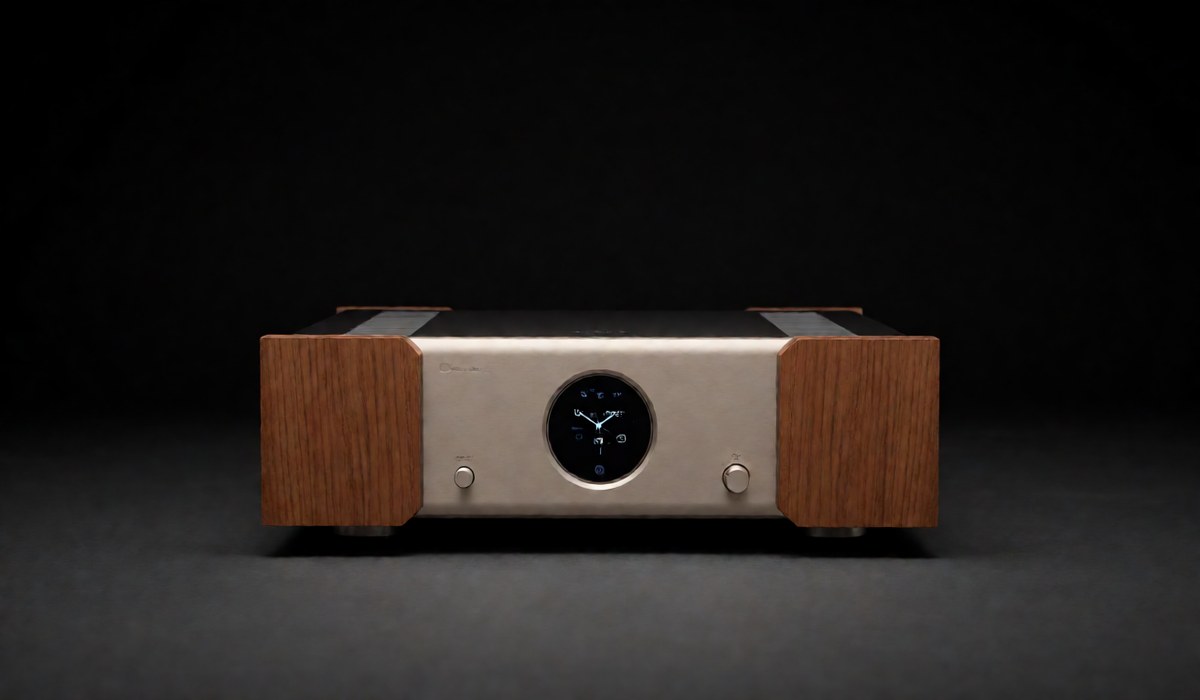
Few audio brands carry a design signature as recognisable as Marantz. The small round display set into a black or champagne faceplate has been part of the identity for decades, and it is the visual shorthand for a house that has always cared as much about how equipment looks on a shelf as how it sounds. That combination is rarer than it should be.
The catalogue splits into two halves. On one side are the cinematic AV receivers built for surround systems, room correction and video switching. On the other are the two-channel pieces that audio purists care about: integrated amplifiers, stereo receivers, network players, CD players and turntables aimed at the audiophile audience.
Both halves share the same design language and the same tonal philosophy, which is that the brand has never chased the razor-flat neutrality of studio monitors. Marantz is tuned to be musical and warm, which is a deliberate choice and not a defect.
Listen to a Marantz amplifier alongside a cool, analytical competitor and the difference is immediate: slightly rounded highs, a full midrange and a smooth presentation that makes long listening sessions comfortable. Voice and acoustic instruments sit forward and inviting. For anyone who came away from other high-fidelity brands feeling the sound was clinical, this is where Marantz has its appeal.
For film use, the AV receivers add proper room correction and clean amplification across all channels. Dialogue intelligibility, the thing most home-cinema setups fail at, is a genuine strength.
The porthole display is the signature, but the rest of the package is solid in a traditional way: metal faceplates, reassuring weight, tactile controls and removable wooden side panels on the premium models. This is equipment designed to be seen and to last, not to disappear into a cabinet.
Current models carry the inputs a modern system needs: HDMI switching and eARC on the receivers, high-resolution streaming and network playback on the stereo pieces, and turntable phono stages on the integrated amplifiers for anyone returning to vinyl. DAB and Bluetooth features vary by model and region, so it is worth checking the specification of the specific unit.
The honest caveats are cost and complexity. Marantz sits above the mainstream brands, and the premium models require genuinely good speakers to reveal what you paid for. The default settings of the AV receivers can also bury the best of the amplifier under auto-setup guesses, and the menu systems are deep enough to intimidate a first-time user.
Listeners who value a warm, engaging sound over clinical accuracy, anyone building a system they intend to keep for a decade, and buyers who want their equipment to look as good as it performs. If you want maximum measurements per dollar or a minimalist streaming-only setup, the value case is weaker.
Is Marantz better than the mainstream brands? Not objectively — it is tuned differently. Buy it if you prefer a warm, musical presentation rather than a neutral one.
Do I need expensive speakers? On the higher models, yes. The amplifier will expose the limits of cheap speakers rather than disguise them.
Is it good for movies as well as music? The AV receivers are genuinely capable for film, with strong dialogue clarity and room correction.
Will it last? These are built to traditional standards, and analogue amplification ages far more gracefully than software-led equipment.
Disclosure: This article may contain affiliate links. We may earn a commission at no extra cost to you. Prices and availability can change at any time.
Since 1934, Chow Sang Sang has turned gold, diamonds and jadeite into pieces meant to be worn, treasured and passed on.

From RGBIC strip lights to ambient floor lamps, Govee makes smart lighting creative, affordable and genuinely fun.

From made-to-measure occasion dresses to everyday streetwear, LightInTheBox turns global trends into accessible wardrobe upgrades.